
20 January 2026
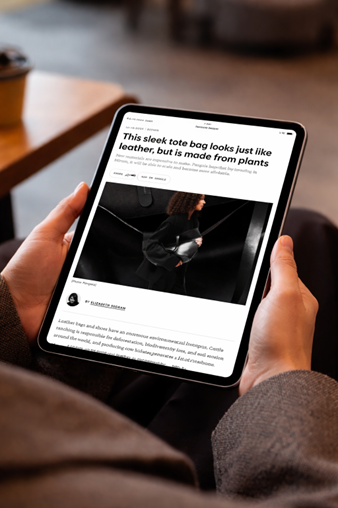
The rise of next-generation materials in fashion is often attributed to innovation, sustainability, or technology. In reality, their growing influence has less to do with outperforming existing materials and more to do with changing consumer expectations, cultural signals, and how material value is communicated.
Next-gen materials did not rise because consumers suddenly demanded better technical performance. They rose because they addressed a different, increasingly important question:
what does this product say about my values and my view of the future?
This shift is particularly visible in leather goods, where heritage craftsmanship and future-facing innovation now operate side by side.
From Product Performance to Value Expression
For today’s leather goods consumer, material choice increasingly reflects more than craftsmanship alone. Climate awareness, social visibility, and identity-driven consumption have reshaped how materials are perceived, even in categories long anchored by leather.
Descriptors such as “bio-based,” “recycled,” or “alternative” and particular “vegan leather” provide immediate clarity. They allow consumers to connect a purchase decision with broader ethical and environmental values without requiring detailed knowledge of tanning processes, material science, or lifecycle assessment. What matters at the point of purchase is not technical depth, but confidence that the choice aligns with personal values.
In this context, next-gen materials often appear first in innovation-led capsules, or limited explorations, where brands introduce new ideas, test concepts, and communicate direction. Here, next-gen materials serve as signals of intent and progress, complementing established performance expectations rather than replacing them.
Narrative Clarity and Lifecycle Perspective
Leather operates within a more layered material reality. It is durable, repairable, and widely recognised as a by-product of the global meat and dairy industries. Its value is best understood through a lifecycle perspective: how hides are generated, how waste is avoided, how craftsmanship extends product life, and how longevity contributes to sustainability over time.
Industry organisations such as Leather Naturally continue to support clearer communication around leather’s natural origin, by-product status, durability, and role in circular value chains. The challenge is not credibility, but translation. Leather’s story reflects depth and continuity, rather than single-claim messaging.
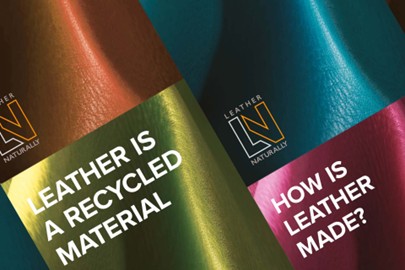
Next-gen materials, by contrast, often lend themselves to more direct communication. Innovation, alternative inputs, and recycling narratives are immediately accessible and visually engaging, particularly in digital and consumer-facing contexts. This clarity supports faster engagement and helps next-gen materials build relevance quickly, even as their long-term performance and scalability continue to evolve.
Innovation as Expansion, Not Substitution
This difference in communication logic is clearly reflected in how luxury groups approach material innovation. The creation of the Kering Material Innovation Lab illustrates how brands respond to evolving consumer expectations and future regulatory considerations, rather than cost-driven material substitution.
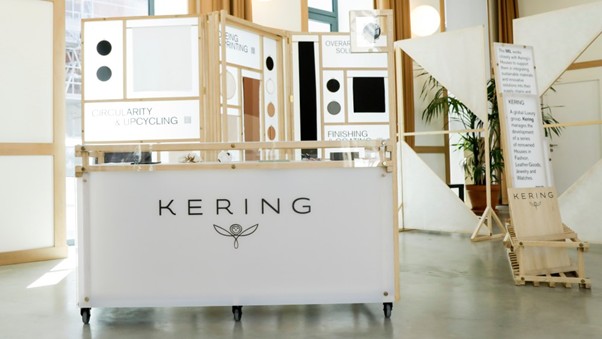
The Lab’s work on bio-based materials, recycled inputs, and circular solutions reflects growing interest in ethical and future-ready material pathways. Importantly, these initiatives are designed to expand the material landscape, not to displace core materials. They enable experimentation, learning, and preparedness, while leather continues to play a central role across Kering’s maisons due to its durability, repairability, and suitability for long-life luxury goods.
This parallel approach highlights a broader industry reality: innovation and foundation are not opposites. They are complementary.
Visibility as Engagement, Not Hierarchy
Next-gen materials often gain attention through innovation platforms, exhibitions, sustainability communications, and limited editions. These environments are intentionally designed to highlight new ideas, invite discussion, and engage consumers in conversations about the future of fashion.

This visibility should not be interpreted as a measure of material dominance or inferiority. Rather, it reflects the role next-gen materials currently play: enabling experimentation, shaping dialogue, and helping brands articulate future direction, while established materials continue to underpin long-term product strategies.
Leather, meanwhile, remains structurally central to luxury leather goods. Iconic handbags, travel items, and accessories continue to rely on leather’s proven performance, supported by repair services, refurbishment programmes, and long-term use. Leather’s strength lies in continuity and trust, not novelty.
Balancing Ethics, Innovation, and Longevity
Next-gen materials support a growing desire among consumers to align purchases with ethical and environmental considerations. They allow brands to address emerging expectations while exploring new material possibilities.
At the same time, longevity remains a critical dimension of sustainability in leather goods. Products designed to last, to be repaired, and to remain desirable over decades distribute their environmental impact across many years of use. This long material “healthspan” continues to define leather’s role as a foundational material.
These priorities are not in conflict. They reflect different dimensions of value, operating on different timelines.
Why Leather Remains the Baseline
Understanding how next-gen materials rise to prominence does not reduce the importance of leather. It clarifies why leather remains the reference point in material evaluation.
Leather is not a material created to replace something else. It is a by-product material whose use converts an unavoidable biological output into a durable, high-value product. Its sustainability contribution lies in waste utilisation, longevity, and continued use, rather than substitution.

For this reason, leather continues to anchor material comparisons. It sets the benchmark for durability, repairability, and long-term performance. Next-gen materials, meanwhile, contribute innovation, ethical signalling, and future readiness.
Coexistence as the Industry Reality
The rise of next-gen materials does not signal the decline of leather in luxury goods. It signals an evolution in how material value is expressed and communicated.
Leather goods brands now operate across two timelines: responding to cultural momentum and future expectations, while safeguarding long-term product integrity. Next-gen materials support exploration and progress. Leather provides continuity, trust, and durability.
Next-gen materials have risen to power by expanding the conversation. Their long-term role will be defined by how effectively they complement foundational materials and translate innovation into lasting performance and scalability.
The future of fashion materials will not be shaped by replacement narratives, but by how progress is built on strong foundations.
APLF, Materials+, and the NextGen Fashion Material TechTalk create a shared platform where leather, next-generation materials, and future innovations can be viewed side by side, enabling informed discussion grounded in real applications and long-term perspectives.
Date: 13 March 2025
Venue: HKCEC
TechTalk Detail:
