
3 March 2026
Anyone who thought the Supreme Court could end Trump’s trade war once and for all was sadly mistaken. Since the morning of February 24th, a new global tariff of 10% planned by the White House on imports to the US has been in effect (although not yet formalized) to circumvent the (unappealable) ruling of the 20th. This tariff, it’s worth remembering, could rise to 15%. Meanwhile, the European Parliament has postponed the vote on the agreement already reached for trade between the two sides of the Atlantic: “The conditions have changed.” By La Conceria.
The Trade War is not over
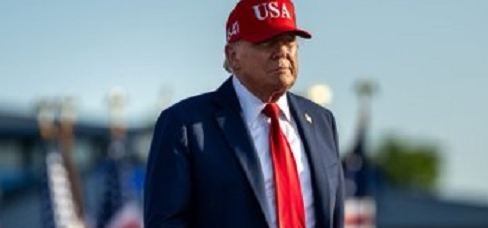
On February 20, the Supreme Court rejected the legal basis for President Donald Trump’s trade war (pictured). This is because the courts failed to recognize the existence of the emergency reasons invoked by the White House, namely the legal basis for centralizing customs policies. Fashion industry players have never liked tariffs. Matt Priest, president of the FDRA (Footwear Retail Association), exulted on LinkedIn: “The ruling marks an important step toward creating a less unpredictable and more competitive market for American companies and consumers. The ruling provides relief at a time when cost pressures are significant and opens the door to collaboration between the industry and politicians on trade policies.” The easing of tension, however, was short-lived.
New tensions
Meanwhile, in Brussels, they’ve postponed ratification of the trade agreement agreed with the White House this summer. “The legal basis has changed: there are new tariffs that are completely different from the previous ones,” said Bernd Lange, rapporteur for the EU-US agreement at the European Parliament. “Many products at the 15% tariff are not covered by the agreements. There are many uncertainties.” Indeed, because Trump hasn’t left the final say to the Supreme Court. “Section 122 of the Trade Act of 1974,” Corriere della Sera reports, “is a little-used provision that allows the president to temporarily impose tariffs of up to 15% for reasons related to balance of payments imbalances. This is the basis for the 10% tariff that came into effect on February 24.” The new tariff has a maximum duration of 150 days, after which it will require parliamentary approval. We’ll be hearing more about it.