
17 June 2025

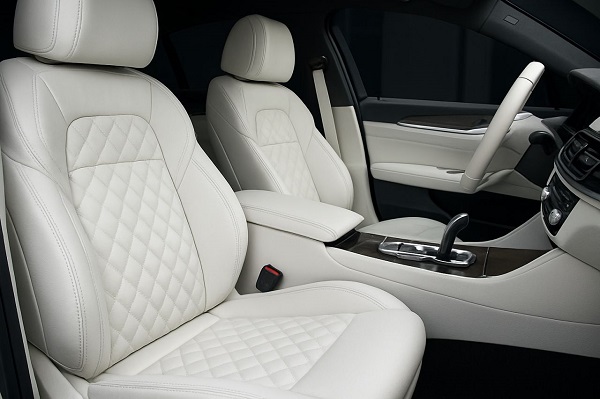
The powerful documentary 𝘞𝘰𝘳𝘭𝘥 𝘞𝘪𝘵𝘩𝘰𝘶𝘵 𝘊𝘰𝘸𝘴 challenges perceptions about cattle’s environmental impact. At O4L, our members maximise sustainability by responsibly using leather, a natural by-product of the meat industry, to craft beautiful car interiors. This ensures that every part of the animal is valued, reduces waste, and promotes a circular economy.
𝗠𝘆𝘁𝗵: 𝗖𝗼𝘄𝘀 𝗮𝗿𝗲 𝗮 𝗹𝗲𝗮𝗱𝗶𝗻𝗴 𝗰𝗮𝘂𝘀𝗲 𝗼𝗳 𝗰𝗹𝗶𝗺𝗮𝘁𝗲 𝗰𝗵𝗮𝗻𝗴𝗲.
While cows do produce methane, it is vital to differentiate between short-lived methane emissions and long-lasting greenhouse gases like carbon dioxide. Methane naturally dissipates from the atmosphere within approximately ten years, contrasting sharply with CO2 emissions from fossil fuels, which can last for centuries. Moreover, cattle play an essential role in the biogenic carbon cycle, capturing carbon through the grasses they consume. This cycle sustains a balanced carbon exchange, making cattle a critical component of a sustainable agricultural system.
𝗠𝘆𝘁𝗵: 𝗥𝗲𝗺𝗼𝘃𝗶𝗻𝗴 𝗰𝗼𝘄𝘀 𝘄𝗼𝘂𝗹𝗱 𝗼𝗽𝗲𝗻 𝗺𝗼𝗿𝗲 𝗹𝗮𝗻𝗱 𝗳𝗼𝗿 𝗴𝗿𝗼𝘄𝗶𝗻𝗴 𝗰𝗿𝗼𝗽𝘀.
Vast areas of land worldwide are unsuitable for crop production due to soil quality, climate, or topography, but are ideally suited for grazing cattle. Marginal lands rely on cattle to convert grasses, which humans cannot digest, into high-quality protein sources. This process efficiently transforms unusable land into productive farmland, playing a significant role in food security and maintaining ecosystems that support biodiversity.
𝗠𝘆𝘁𝗵: 𝗖𝗮𝘁𝘁𝗹𝗲 𝗳𝗮𝗿𝗺𝗶𝗻𝗴 𝗰𝗼𝗻𝘁𝗿𝗶𝗯𝘂𝘁𝗲𝘀 𝗼𝗻𝗹𝘆 𝘁𝗼 𝗲𝗻𝘃𝗶𝗿𝗼𝗻𝗺𝗲𝗻𝘁𝗮𝗹 𝗵𝗮𝗿𝗺.
Cattle farming has environmental benefits, too. Grazing promotes soil health, nutrient cycling, and carbon sequestration. Cattle grazing also helps manage vegetation, significantly reducing the risk of wildfires.
𝗠𝘆𝘁𝗵: 𝗨𝘀𝗶𝗻𝗴 𝗹𝗲𝗮𝘁𝗵𝗲𝗿 𝗵𝗮𝗿𝗺𝘀 𝘁𝗵𝗲 𝗽𝗹𝗮𝗻𝗲𝘁.
The leather used in car interiors is sourced responsibly as a by-product of the meat industry, ensuring minimal environmental impact by reducing waste. Using genuine leather helps avoid the environmental concerns associated with synthetic alternatives, which typically rely on petroleum-based materials and have a greater ecological footprint. Genuine leather offers durability and luxury, characteristics that synthetic materials fail to match, thereby further reducing long-term environmental impacts through decreased consumption and waste.
At O4L we advocate for the responsible use of leather as a powerful example of sustainability, maximising the value derived from cattle. Let us embrace cattle’s essential contributions to sustainable agriculture, nutrition, and circular economies, while continuing to create beautiful and environmentally responsible car interiors.