
18 November 2025
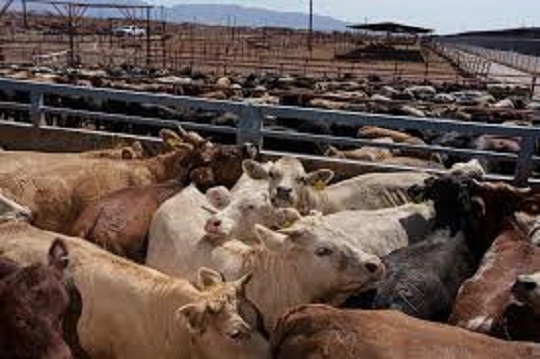
As beef prices hit record highs, President Donald Trump has asked the U.S. Department of Justice (DOJ) to investigate large meat-packing companies. By ILM.
As well as accusing the DOJ of “illicit collusion, price fixing and price manipulation” on a social media platform called Truth Social on November 7, he believes American ranchers are “being blamed for what is being done by Majority Foreign Owned Meat Packers [sic], who artificially inflate prices, and jeopardise the security of our Nation’s food supply”.
According to Reuters, Attorney General Pam Bondi said the probe was underway and being run by Agriculture Secretary Brooke Rollins and Assistant Attorney General Gail Slater.
Though no specific companies have been publicly named yet in the probe, the U.S. beef-processing market is dominated by a handful of firms such as JBS USA, Cargill, Tyson Foods, National Beef Packing Company, which handle a large share of cattle processing.
AP News has reported that industry experts have cautioned that while the probe may satisfy political pressure around rising food costs, it is unclear whether it will actually result in lower prices for consumers. Some economists warn that breaking up or heavily regulating large packers could have unintended consequences, such as higher prices or reduced supply.
Ultimately, there are underlying factors driving beef prices, including drought, feed costs and a reduced U.S. cattle herd — all of which constrain supply. According to Reuters, Trump’s 50% tariff on Brazilian goods in August also slowed imports of a major source of beef that was mixed with U.S. hamburger meat, further tightening supplies.
Outlook
In terms of next steps, the DOJ is expected to begin issuing subpoenas and gathering documents and testimony as it determines whether major processors are engaged in anti-competitive behaviour. The probe could evolve to target specific companies or pricing practices linked to feedlots, slaughter capacity and supply contracting. It may also dovetail with broader policy efforts to expand independent meat-processing capacity or tighten oversight of agricultural markets.
Politically, the investigation is likely to remain in the spotlight as food inflation continues to shape national debate.