
14 August 2026
The leather goods industry is undergoing a quiet transformation. This shift is driven not by designers or chief executives, but by a new generation of consumers who refuse to compromise between product quality and responsible production. As sustainability becomes a growing priority for shoppers, brands are asking a fundamental question: what does genuine sustainability look like in leather making?
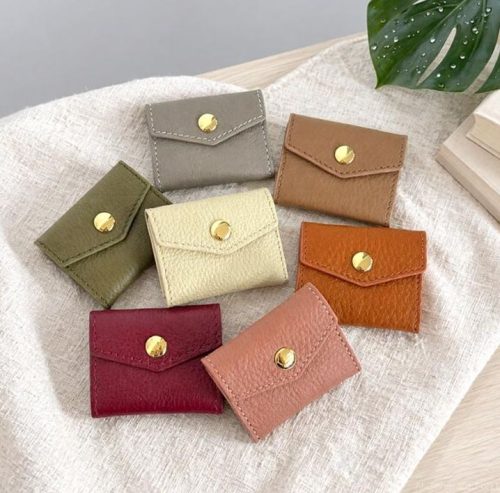
For Rainbou—a growing Thai leather goods label under True To You Co Ltd—the answer lies in strategic sourcing. Led by Managing Director Patcharaporn Chunhakitiyanont, the brand is reshaping its supply chain to meet shifting consumer demands, seeking suppliers that combine fine craftsmanship with responsible practices.
“Coming to Hong Kong this time, I’m looking for all the new innovations regarding sustainability,” Patcharaporn explains.
The pressure to evolve is impossible to ignore. Younger demographics have made environmental impact a core purchasing criterion, shifting responsible production from a marketing add-on to a baseline requirement for market relevance. For growing labels like Rainbou, keeping pace is essential for long-term competitiveness.
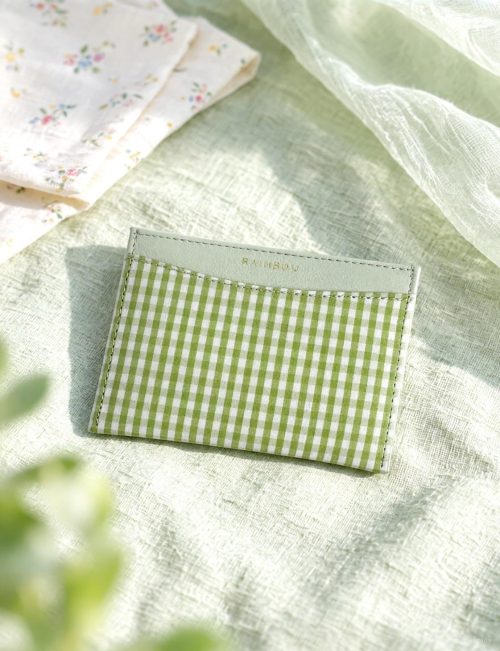
“The new generation, particularly Gen Z, is very much concerned about sustainability,” Patcharaporn observes. “They want to protect the world, and they increasingly focus on products that contribute to that. We have to adapt to this shift.”
For Rainbou, this evolution is about more than following consumer sentiment—it is about future-proofing the business. Brands that cannot demonstrate genuine material accountability will find themselves falling out of step with the demographic set to dominate global fashion spending in the coming decade. However, Patcharaporn emphasizes that genuine sustainability requires a pragmatic understanding of the materials themselves.
“Leather is actually a byproduct from the food industry,” she points out. “If people want to pursue a true sustainability concept, they need to study the realities of leather production.”
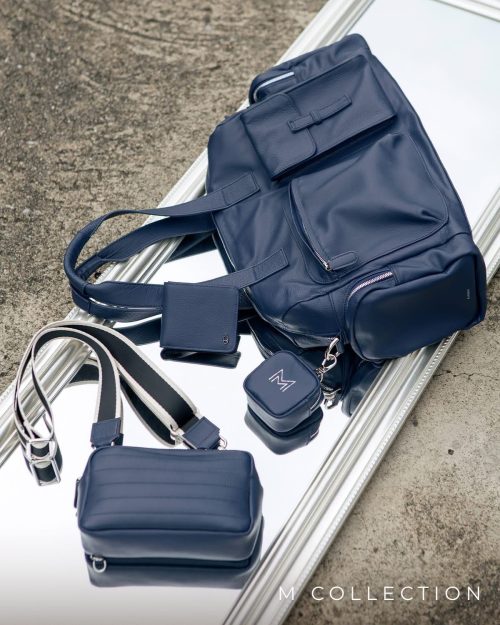
When asked about her sourcing experience at APLF, Patcharaporn shared that the exhibition delivered exactly what she was looking for:
“I found many good suppliers for genuine leather—hides and everything, all from Italy, which was exactly the target I came here for,” she shares. “I also found lots of fabrics for handbag lining from Korea and China. I saw so many innovations from suppliers all around the world, which was very exciting for me.”
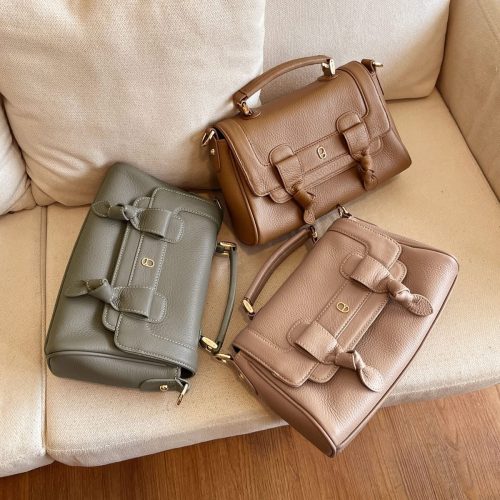
Patcharaporn’s experience mirrors a broader change unfolding across the global lifestyle sector. Where sourcing once began and ended with quality and cost, brands today must also verify sustainability credentials, map material lifecycles, and communicate these choices transparently to shoppers. It is a higher bar, but one that separates short-lived market players from brands built to last.