
27 August 2025
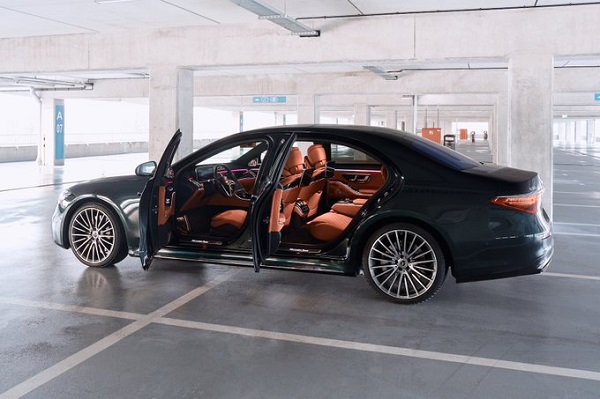
According to new details released following a revised U.S.-EU agreement on August 21, the EU will first have to pass legislation reducing U.S. export tariffs to zero in order to get the 27.5% tariffs on car exports reduced to 15%. By ILM.
In a joint statement on the agreement, the U.S. and EU said this was a “first step in a process” that could be expanded as the relationship develops. The trade deal was first announced at a meeting between Trump and European Commission President Ursula von der Leyen in Scotland in July.
According to the joint agreement, the U.S. will apply the new 15% tariff rate on most European goods from September 1. In return, the EU will reduce to zero tariffs on “all U.S. industrial goods”, including some agricultural products.
It is only once Europe removes tariffs on U.S. exports – a move that requires legislation – that the White House will reduce the 27.5% tariff on European motor vehicle exports to 15%, the agreement said.
EU Trade Commissioner Maros Sefcovic told a news conference the deal sets out that the 15% tariff on cars would be retroactively applied from the first of the month in which the legislative process begins.
Sefcovic said it was the EU’s “firm intention” to get that process started this month, and he had received reassurance from the U.S. that the lower tariff would then apply from August 1.
Director general of the European Automobile Manufacturers’ Association Sigrid de Vries told BBC’s Today programme it was important to have a deal, but the car industry was “not out of the woods” yet as manufacturers have been paying “millions of euros in tariffs every day” since April.
“The deal says we’ll go down from 27.5% to 15% but we’re coming from a rate of 2.5% so the impact will continue to be large,” she said, adding that would affect prices for customers in the U.S. and beyond.