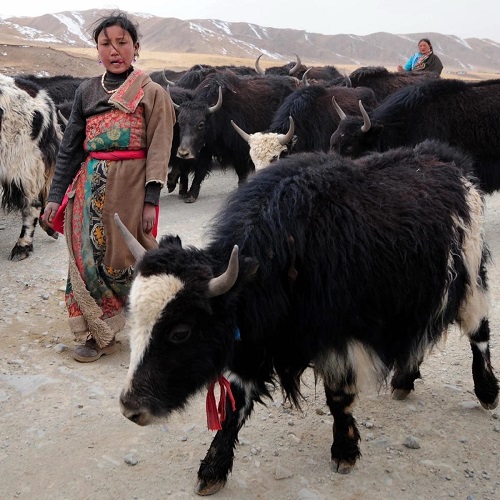
Tibet - Support for Communities by the ZANG YAK® team
Francis Tsang writes on LinkedIn: Before the ZANG YAK® team launched its initiative to source domestic yak rawhide, support for Tibetan communities was limited, and much of their resources ended up in landfills.
The extreme geographic isolation of the Tibetan Plateau, characterized by difficult accessibility, discouraged potential investors and aid organizations, making on-the-ground engagement logistically challenging. Additionally, the region’s underdeveloped infrastructure—such as limited roads and connectivity—not only hindered local economic growth but also obstructed external assistance from reaching those in need.
Another significant issue was the lack of awareness regarding Tibetan communities and their struggles. Their remoteness kept them out of the mainstream spotlight, while global crises often overshadowed their challenges. This lack of visibility contributed to cultural misunderstandings and diminished the willingness of others to engage.
Additionally, the perceived low economic viability of the region discouraged investment. Many investors concentrated on more profitable areas like yak wool, neglecting Tibetan communities as they were seen as having fewer viable opportunities. Even aid initiatives often concentrated solely on basic survival needs, neglecting the preservation of traditional practices that are vital to their culture.
In collaboration with a Tibetan NGO, the ZANG YAK® team directly addresses these gaps by creating economic opportunities through yak rawhide sourcing. By emphasizing the cultural significance of domestic yaks, they raise awareness of the challenges faced by these communities and attract the much-needed support that has long been absent.