
5 August 2025
With the third edition of APLF ASEAN due to be held in Vietnam from 13 – 15 November, herewith follows a profile of Indonesia’s leather and manufacturing sector as the biggest country in Southeast Asia, both geographically and demographically with a population of 280 million.
Indonesia, as the largest economy in Southeast Asia, boasts a diverse and dynamic manufacturing sector, with the leather industry playing a critical role both domestically and internationally. From traditional crafts to modern manufacturing, Indonesia’s leather sector encompasses raw leather, processed leather, footwear, and a range of leather goods. This industry not only provides employment for millions but also positions Indonesia as a significant player in the global leather and footwear markets.
Overview of Indonesia’s Leather Industry
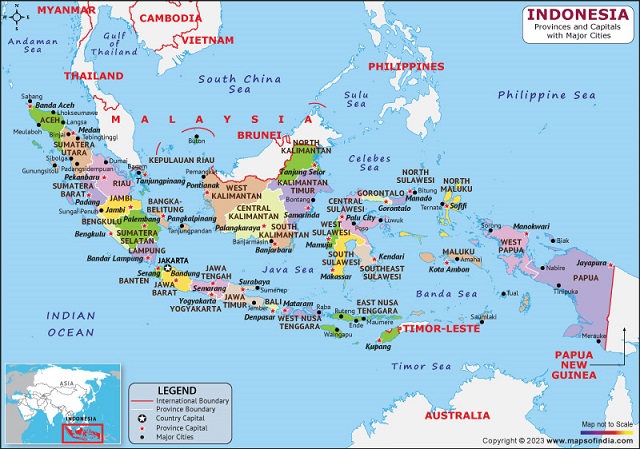
Indonesia’s leather sector can be traced back centuries, with traditional crafts flourishing in regions such as West Java, Central Java, and Yogyakarta. These areas are well-known for their artisanal skills, particularly in producing handmade leather goods. Over time, the industry has modernized, integrating advanced technologies and machinery to meet the demands of both domestic and export markets.
Today, Indonesia’s leather industry comprises:
The industry is characterized by a mix of micro, small, medium, and large-scale enterprises. While small-scale and informal producers dominate the handicraft segment, large factories—often based in industrial zones—focus on footwear production for export markets.
Key Production Centers
Some of the principal production hubs for leather and leather goods in Indonesia include:
Supply Chain and Raw Materials
Indonesia’s leather supply chain starts from the livestock sector, primarily cattle, goats, and sheep. The hides and skins are processed in tanneries, which transform the raw material into finished leather suitable for manufacturing.
Footwear Industry
Indonesia is recognized globally as a major footwear producer and exporter. According to the World Footwear Yearbook, Indonesia consistently ranks among the top five footwear manufacturing countries worldwide, along with China, India, Vietnam, and Brazil.
Production and Employment
The footwear sector is labor-intensive, employing approximately 300,000 to 400,000 workers directly, with many more in supporting industries. Production ranges from simple sandals to high-end branded sports shoes. Several international shoe brands contract Indonesian factories for their global supply chains due to competitive labor costs, skilled workforce, and improving infrastructure.
Exports of Footwear
Indonesia’s footwear exports have shown robust growth over the past decade. Key figures include: