
25 November 2025
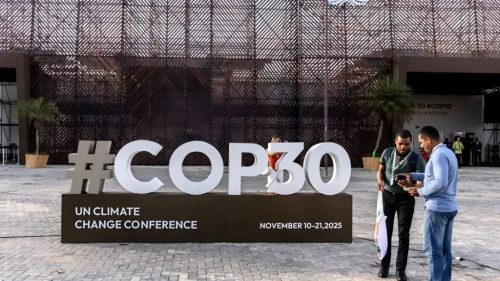
With COP30 underway in Belém Brazil from November 10 to 21, 2025 the leather industry has stepped up its message. A fresh version of the “Leather Manifesto” has been released and more than twenty five organisations from around the world have now added their names to it making a strong call to COP30 leaders to rethink how leather is viewed in today’s climate debates. By Leather News.
An updated manifesto led by the International Council of Tanners is urging negotiators in Belém Brazil to recognise leather as a sustainable bio-based material that supports the circular economy.
The manifesto says leather is widely misunderstood in sustainability discussions. It argues that leather is a renewable material created from a by-product that would otherwise go to waste.
It also highlights that hides account for only about 1.5% of the economic value of cattle which means cows are never raised for their hides.
Industry groups say the real problem is how Life Cycle Assessments are currently calculated. They call the existing method flawed because it assigns too much of the livestock sector’s emissions like methane and deforestation pressures to hides.
This makes leather look more harmful than it truly is while ignoring the fact that millions of hides end up in landfills or incinerators every year when they could be turned into long lasting goods.
“To abandon leather is not to save a cow. It is to squander a durable repairable material and replace it with synthetics derived entirely from fossil fuels”.
– International Council of Tanners
With COP30 approaching the industry wants global leaders to support better LCA methods that account for by-products fairly promote slow fashion and encourage durable bio-based materials.
They also want official recognition that leather is part of a circular climate efficient system that can lower the overall environmental impact of consumer goods.
“When responsibly tanned leather is a natural renewable biomaterial with an unparalleled lifespan. A well made leather product lasts decades is repairable and biodegradable in ways other materials cannot emulate. Leather bridges utility and heritage”.
In simple terms the leather sector wants the world to see leather for what it truly is not for what it is assumed to be.