19 November 2026
Footwear – Argentina: Business owners and workers will march in defense of the Argentine footwear industry.
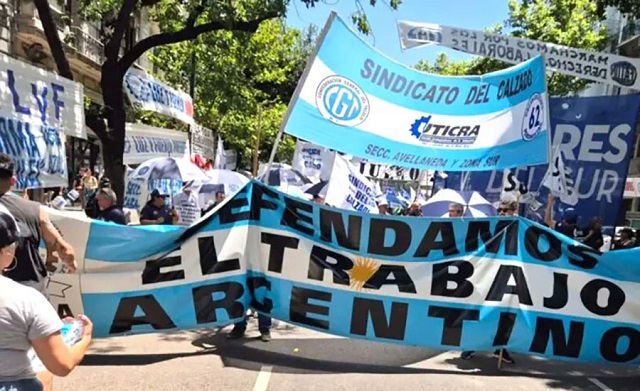
Manufacturers, suppliers, retailers, and workers are preparing a demonstration for November 19th in Plaza de Mayo. The decline in purchasing power, the growth of imports, purchases on international platforms, and high production costs threaten to exacerbate the closure of businesses, which has already affected more than 200 footwear factories and resulted in the loss of over 10,000 registered jobs. Report by CueroAmérica.
The Argentine footwear industry is experiencing one of the deepest crises in its history. Over the past two years, there has been a continuous wave of company closures and the resulting loss of jobs.
The decline in sales due to the drop in consumer purchasing power and the growing competition from imported products is pushing more and more companies to the brink of collapse. Faced with this situation, business owners, suppliers, retailers, and workers are preparing a national demonstration on November 19th in Plaza de Mayo, with the aim of demanding urgent measures from the government of Javier Milei.
Business leaders and union representatives identify two key, mutually reinforcing factors as contributing to the crisis. First, the decline in income for large segments of the population has drastically reduced demand for footwear, particularly in the mass consumer segment. Second, the government’s trade liberalization policy, coupled with an exchange rate that manufacturers consider overvalued and the easing of import controls, has increased competitive pressure on domestic production. This situation could worsen if the government eliminates the antidumping measure on certain Chinese footwear on December 14.
Adding to these difficulties is the growth of purchases made through international online sales platforms, which allow products to enter the consumer directly under different tax and commercial conditions than those faced by manufacturers and merchants established in Argentina.
The situation is affecting the entire production chain. Footwear factories are reducing their orders for leather, soles, adhesives, components, and other supplies, shifting the crisis to tanneries, chemical suppliers, and numerous small and medium-sized enterprises that depend on this activity. In addition to the loss of production, there are staff suspensions, increased debt, and growing difficulties in maintaining industrial operations.
Horacio Moschetto, president of the Chamber of the Footwear Industry, warned at a recent press conference that the crisis is jeopardizing manufacturers, suppliers, and retailers. Among the measures he called for were an emergency law for SMEs, increased oversight of imports and smuggling, controls on digital platforms, tax relief, and access to financing at international rates.
He also questioned the increases in energy costs and called for the reinstatement of mechanisms to control the declared values of imports, in response to business complaints about the entry of Asian footwear at prices allegedly lower than normal market prices.
The concern goes beyond the current difficulties. Industry leaders warn that closing a factory implies the loss of skilled workers, technical expertise, suppliers, and production capacity, the recovery of which can take years.
The mobilization announced for November 19th aims to bring this situation to the forefront of the country’s political scene. Manufacturers, retailers, suppliers, and workers will demand measures to revive consumption, sustain employment, and establish competitive conditions that make Argentine production viable. For the companies still holding on, the challenge now is simply to survive until economic conditions allow them to resume production and sales and regain profitability. Furthermore, as an industry that has achieved international recognition for its design and manufacturing quality, it demands a significant change in the objective conditions that distort its competitiveness.